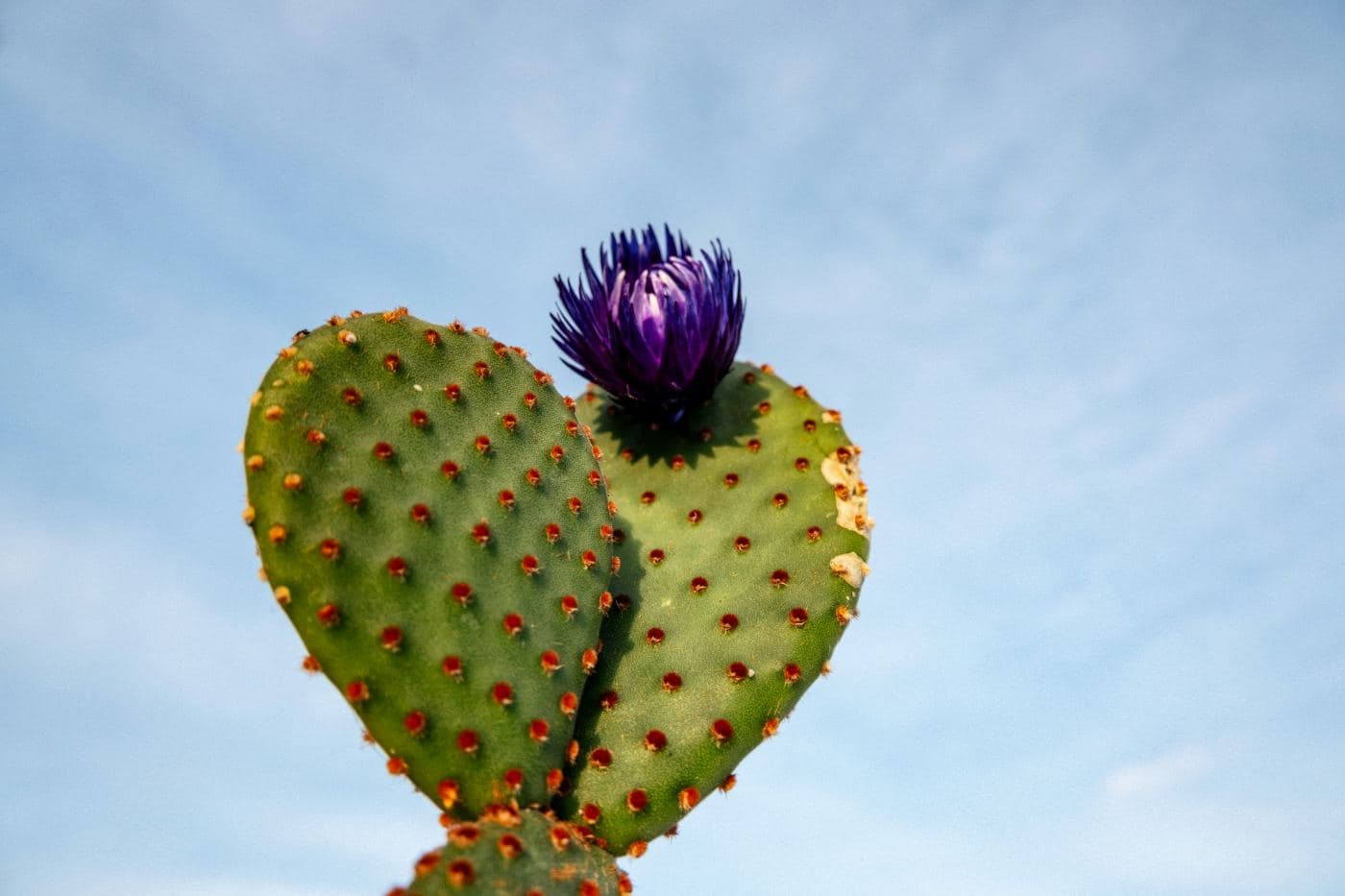
Nopal Cactus: The Complete Guide to Prickly Pear (Opuntia ficus-indica)
The most useful plant
in the desert.
The nopal cactus — Opuntia ficus-indica, the prickly pear — is a 9,000-year-old superfood and the source of cactus water: a pigment, a medicine, a hydration source, a hedge, a vegan leather, and the only plant ever printed on a national flag. This is everything the cactus quietly does.
a note on names: nopal is the pad. prickly pear is the fruit. same plant — opuntia ficus-indica — two harvests.
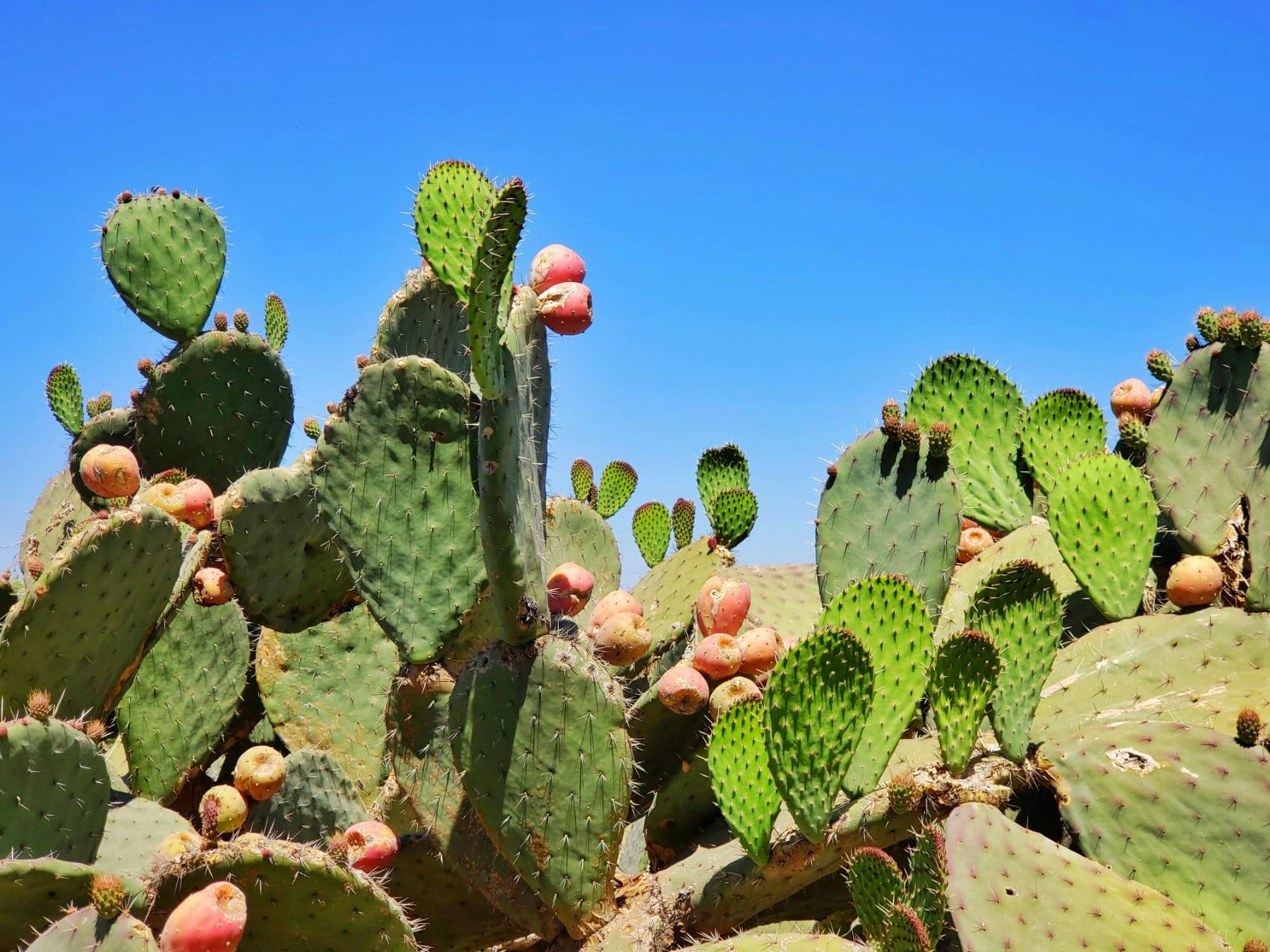
a plant treated as medicine for 9,000 years
 nopalli sagradoopuntia ficus-indica“medicine, food, ritual,
and the symbol on the flag.”9,000 years of cultivation
Not a trend.
A sacred superfood.
The Aztecs called it nōchtli and built an empire on it — its image still anchors the Mexican flag. For nine millennia before the word “superfood” existed, this plant was already medicine, ritual food, dye, and water source for the people of the desert. Modern labs are only now confirming what the curanderos always knew: every part of it does work. Below — what it actually contains.
The only known plant with every betalain on the index. Anti-inflammatory at the cellular level.
More than oatmeal. Mostly soluble fiber — which is what does the metabolic work.
Negligible energy density, near-zero fat, naturally fat-free, naturally sodium-free.
The pads are essentially edible canteens. Indigenous travelers cut them open in the field.
Pound for pound, against the standard panel.
“Superfood” is a marketing word, not a scientific one. So we ran the nopal cactus against the foods most people already think of as healthy. The numbers are per 100g, raw, and come from USDA FoodData Central where available.
Switch the metric to see how the pad performs across the board.
fiber per 100g
spotlight on betalains
Twenty-four pigments
that double as medicine.
Betalains are the rare red-and-yellow pigments responsible for the prickly pear's electric magenta. They're nitrogen-based, water-soluble, and replace the more common anthocyanins found in beets and berries — which means they survive heat and stomach acid the way anthocyanins can't. Studies have linked them to reduced oxidative stress, lower blood-glucose response, and protection of red blood cells from free-radical damage.
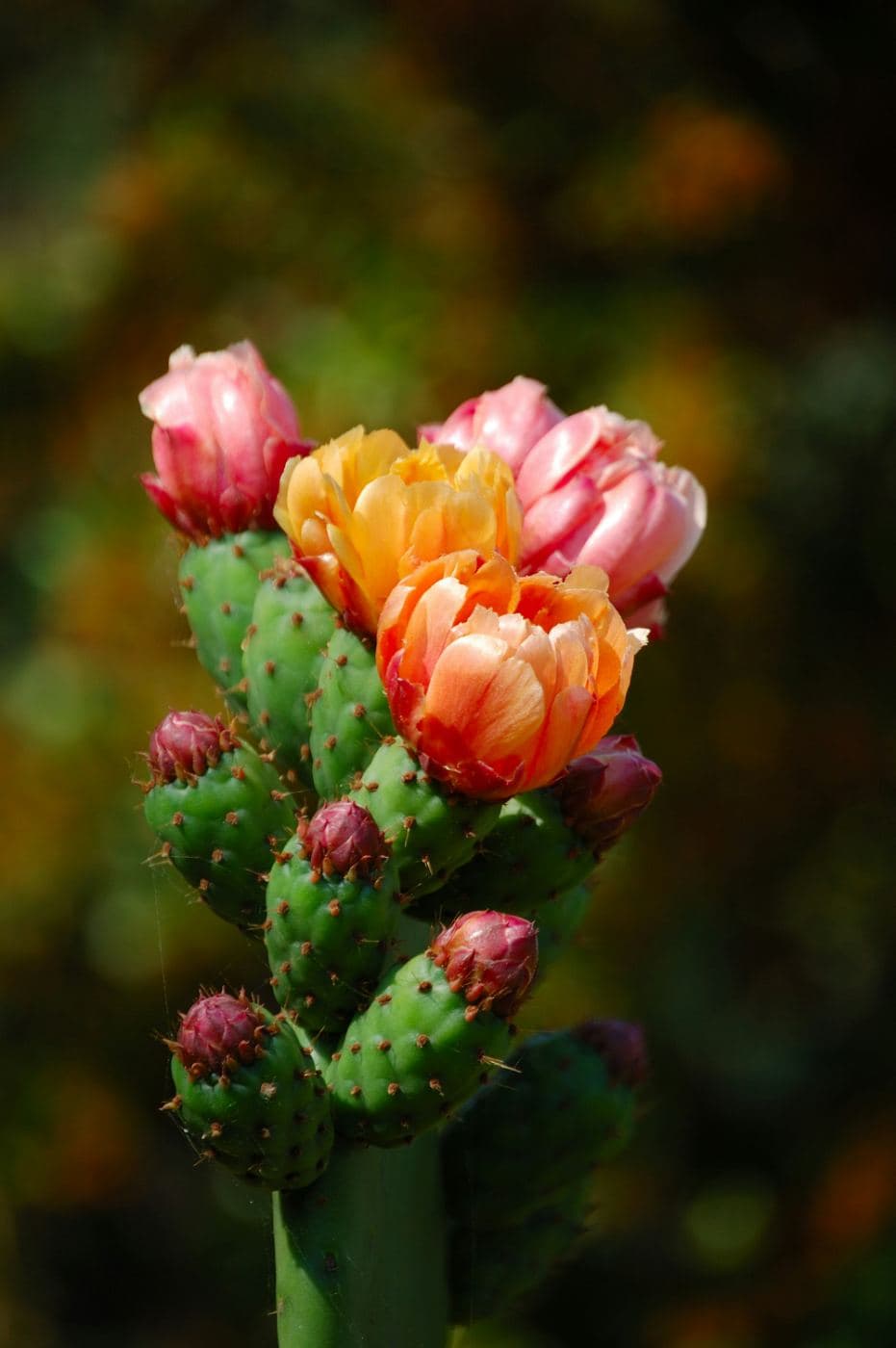
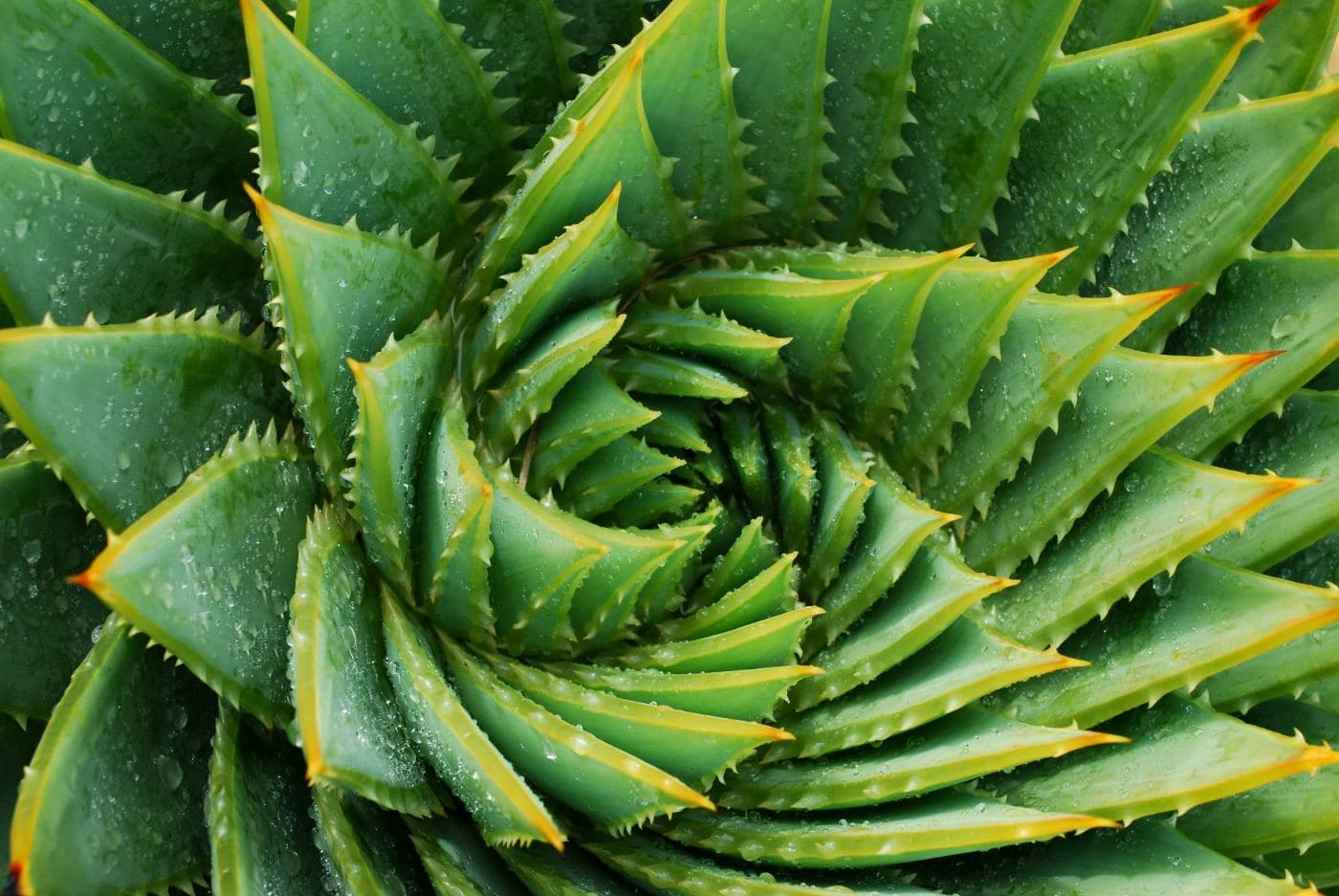
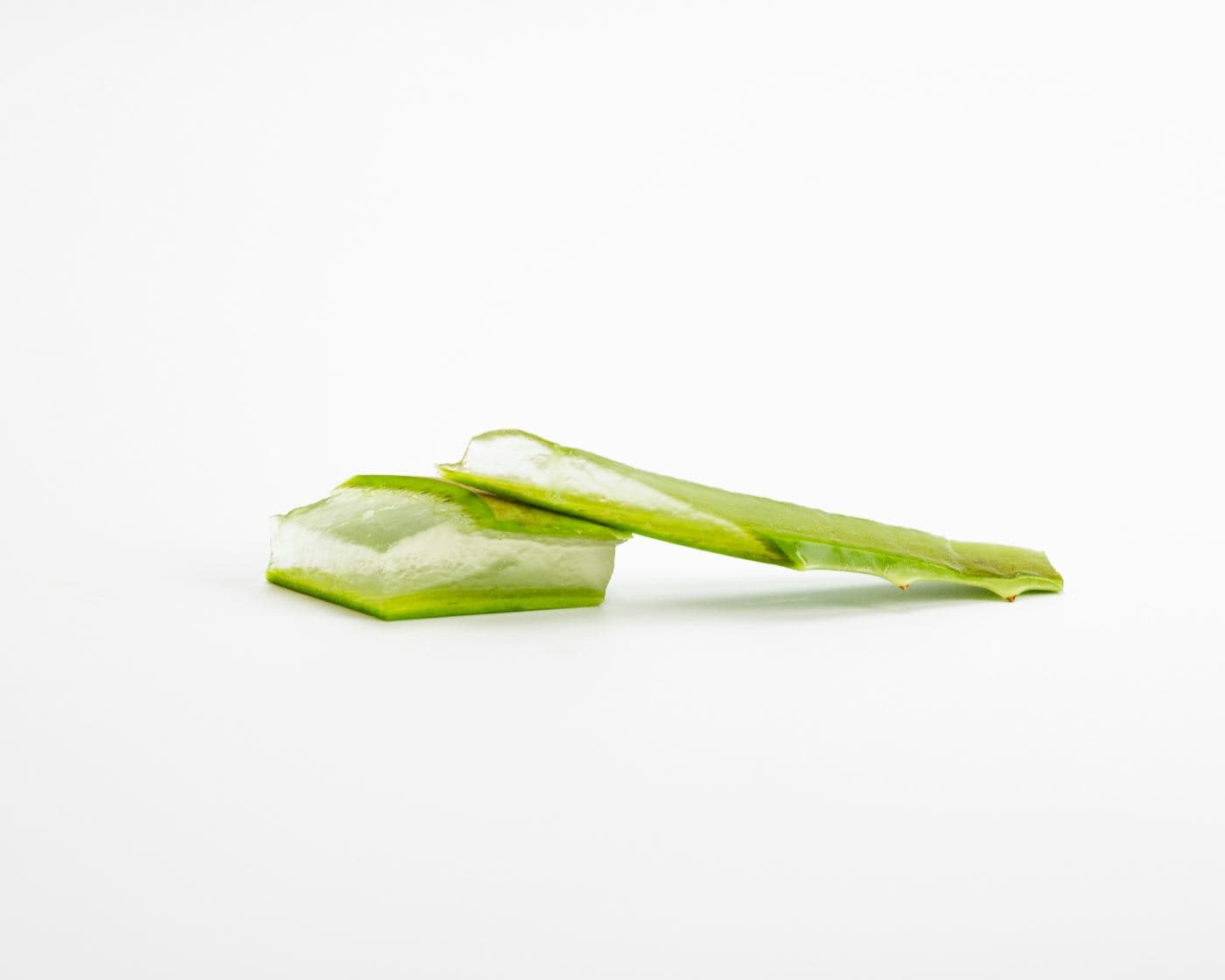
Nopal & aloe — the desert duet.
Two unrelated plants — one a cactus, one a succulent in the lily family — that evolved on different continents and arrived at the same trick: storing a clear, viscous gel inside their flesh. Botanists call it mucilage. It's why both plants can sit out a drought, and why both have been spread across every dry country on Earth by the same impulse — they keep humans alive.
Where they differ matters. Aloe's gel is thinner, cooler, and meant for the skin — burns, sunburn, scrapes. Nopal's mucilage is denser, more nutritive, and meant for the inside — it slows blood-glucose spikes, soothes ulcers, and has been pressed for centuries into tonics that taste, frankly, like a cactus drank a glass of water.
A traditional Sonoran first-aid kit is, more or less, both of these plants and a clean cloth.
anatomy of utility
One plant.
Twelve industries.
Tap any part of the cactus to see what it becomes. Indigenous Mesoamericans figured out most of these uses 5,000 years before the rest of the world arrived. Modern industry is still catching up — turning prickly pear into vegan leather and adobe binder is a 21st-century rediscovery, not an invention.
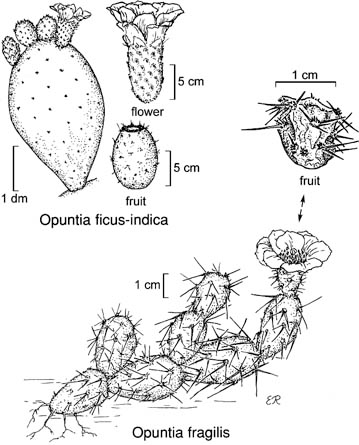
cladode: the pad
The pad.
cladodium (also nopalito, paleta)
Flat, fleshy, segmented. The pad is everything — vegetable, water store, photosynthesis organ, structural element. Indigenous Mesoamericans grilled, pickled, juiced, and built with them.
what it becomes
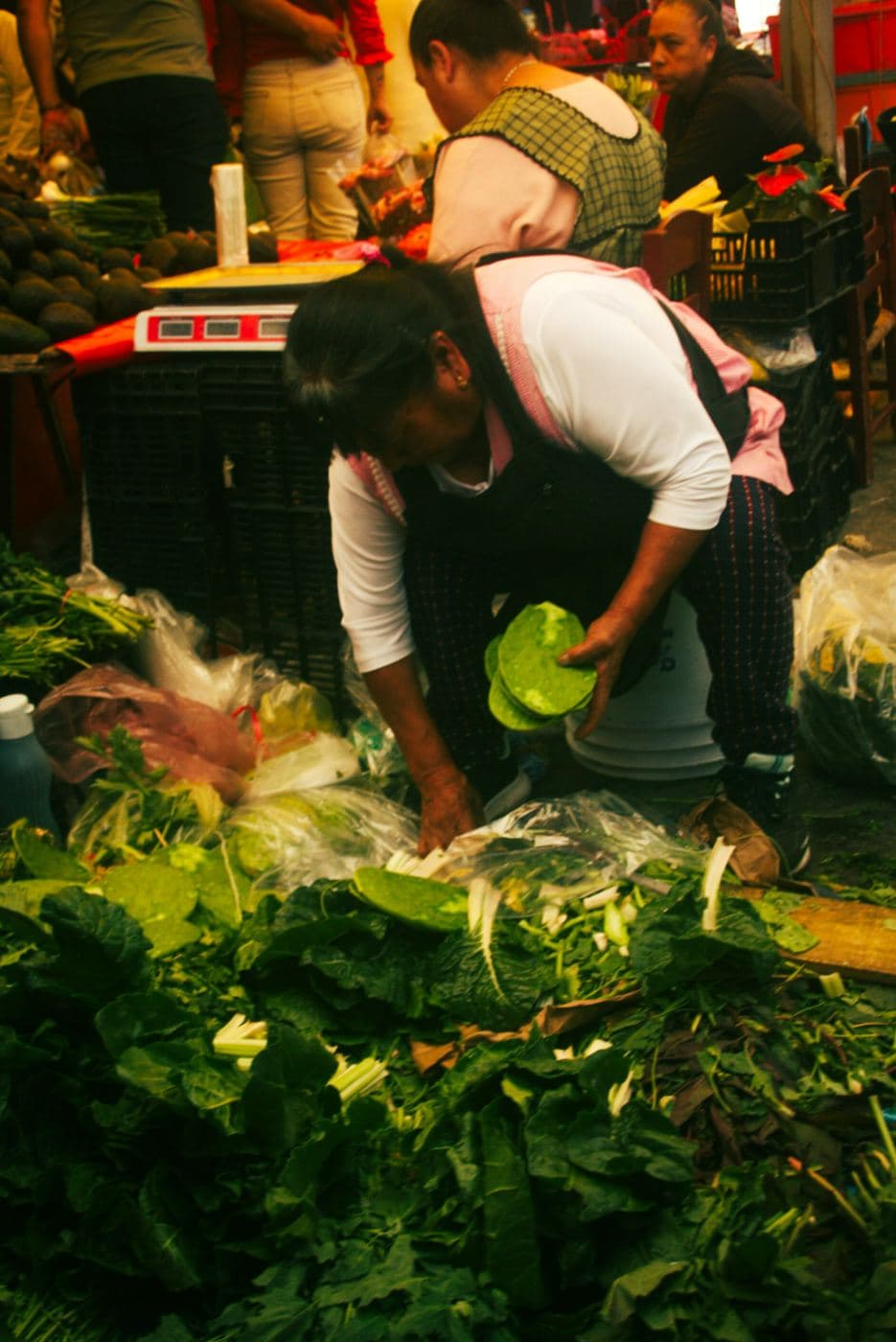
how a desert plant went global
American by birth.
Adopted everywhere.
Spanish ships carried nopal pads back to Iberia in the 1500s. Within two generations the plant was on three continents; within five it was a staple in eight cuisines. Tap a region.
Click any marker to read how the nopal cactus arrived there, what it became, and why every culture that touched the prickly pear kept it.
a brief catalog of strange
The desert is
full of liars.
Almost everything you think you know about deserts is wrong. They aren't always hot. They aren't lifeless. They aren't even mostly sand. A small catalog of the things that make desert ecosystems — and the cactus that survives in them — quietly extraordinary.
fact / 01
The Sahara was a rainforest.
As recently as 5,000 years ago, the Sahara was green — savanna grassland with rivers, hippos, and human cattle herders. The transition to desert took less than a thousand years and was likely driven by a tiny shift in Earth's axial tilt.
fact / 03
Saguaros take 75 years to grow an arm.
The iconic Sonoran saguaro doesn't sprout its first arm until middle age. A fully armed saguaro is over 125 years old.
fact / 04
The driest place on Earth gets 0.04″ of rain per year.
Chile's Atacama Desert has weather stations that have never recorded rainfall. NASA tests Mars rovers there because the soil chemistry is the closest match on Earth.
fact / 05
Cacti are only American.
Every cactus species — all 1,500+ of them — evolved in the Americas. Every cactus you see in Africa, Australia, or the Mediterranean is a transplant. Only one wild species, an epiphyte, made it elsewhere on its own.

fact / 07
A nopal hedge can stop a tank.
During the Mexican Revolution, fortified nopal hedgerows planted by farmers a century earlier formed natural defensive walls so dense they redirected cavalry charges. The Israeli army still studies prickly pear thickets as natural anti-vehicle barriers in arid terrain. Plant a row and forget it; in fifteen years it becomes a wall.
fact / 08
Cochineal red built empires.
The deep crimson dye made from beetles that live on nopal pads was, by 1600, Mexico's second most valuable export after silver. It dyed the British redcoat, the Catholic cardinal's robes, and the Hudson's Bay Company blanket. Spain held a 250-year global monopoly.
fact / 09
The fog harvest.
In the Atacama, locals string vertical mesh nets across hillsides. Cold ocean fog rolls in, condenses on the mesh, and drips down — collecting up to 1,000 liters of water per net per day, in a desert that gets no rain.
fact / 10
The kangaroo rat never drinks water.
Native to the Mojave and Sonoran deserts, the kangaroo rat metabolizes all the water it needs from the dry seeds it eats — exhaling so little moisture that its kidneys are five times more concentrating than a human's. It can live its entire life without taking a single sip.
fact / 11
Sand is the minority.
Only about 20% of the world's deserts are actually sandy. Most desert is rocky pavement, scrub, salt flat, or hardpack — the iconic sea of dunes is the exception, not the rule.
Long-form on the nopal cactus.
Researched, citation-backed essays on cactus water, prickly pear nutrition, hydration science, cooking, cultivation, and 9,000 years of human use.
Cactus Water vs Coconut Water: An Honest Comparison
Both are functional waters with cult followings. They come from opposite climates, contain different electrolytes, and serve slightly different purposes. Here's the honest, side-by-side comparison.
NutritionNopal Cactus Health Benefits: 8 Evidence-Based Effects
The nopal cactus has been food, water, and medicine in Mexico for 9,000 years. Modern research has confirmed several of its traditional uses. Eight evidence-based health benefits, in plain language.
HydrationWhat is Cactus Water? A Field Guide
Cactus water is the juice pressed from the magenta fruit of the prickly pear cactus. Here's what's actually in it, how it tastes, what it doesn't have in common with aloe, and how the category came to exist.
NutritionNopal and Cholesterol: An Evidence-Based Guide
Nopal cactus has real clinical research showing it modestly lowers LDL cholesterol and triglycerides. Here's the mechanism, what the studies found, how much to eat, and what to expect.
NutritionNopal Cactus vs Aloe Vera: Which Has More Benefits?
Nopal and aloe vera are both desert plants with thick, gel-filled flesh — but they're not the same, and they don't do the same things. A side-by-side comparison of benefits, uses, and the science.
CultivationAre Prickly Pear Cactus Poisonous to Dogs?
Prickly pear cactus isn't toxic to dogs in the chemical sense — but it can still cause real injuries. Here's what owners need to know about pads, fruit, glochids, and what to do if a dog tangles with one.
Working on a story about nopal or cactus water?
Reader questions, factual corrections, source tips, press, and partnership inquiries are all welcome. We read everything and respond to most.